

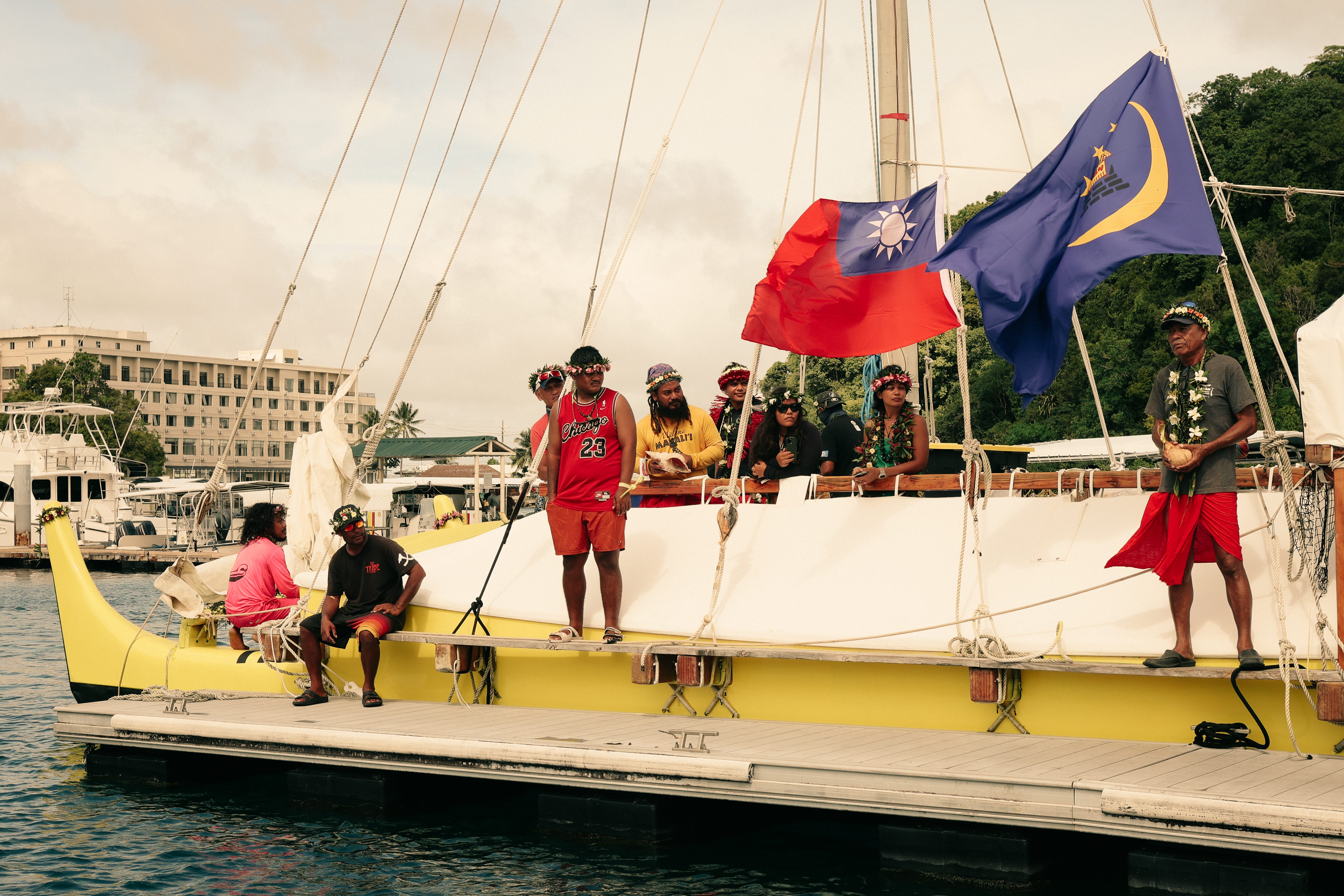
Last month, the bright yellow double hulls of the Alingano Maisu cut through the blue waves of the Pacific to arrive in Kaohsiung, Taiwan. The crew, made up of indigenous Taiwanese, CHamoru, Palauan, and Micronesian sailors, navigated their traditional outrigger sailing canoe by reading the stars and currents from Palau, covering more than a thousand miles, just as their ancestors did. Their voyage will cross more than 6,200 miles, taking the crew from Palau to Taiwan, on to Okinawa, Guam, Saipan, and Micronesia, tracing the routes of ancient seafarers who burst out of Taiwan to populate the Blue Continent.
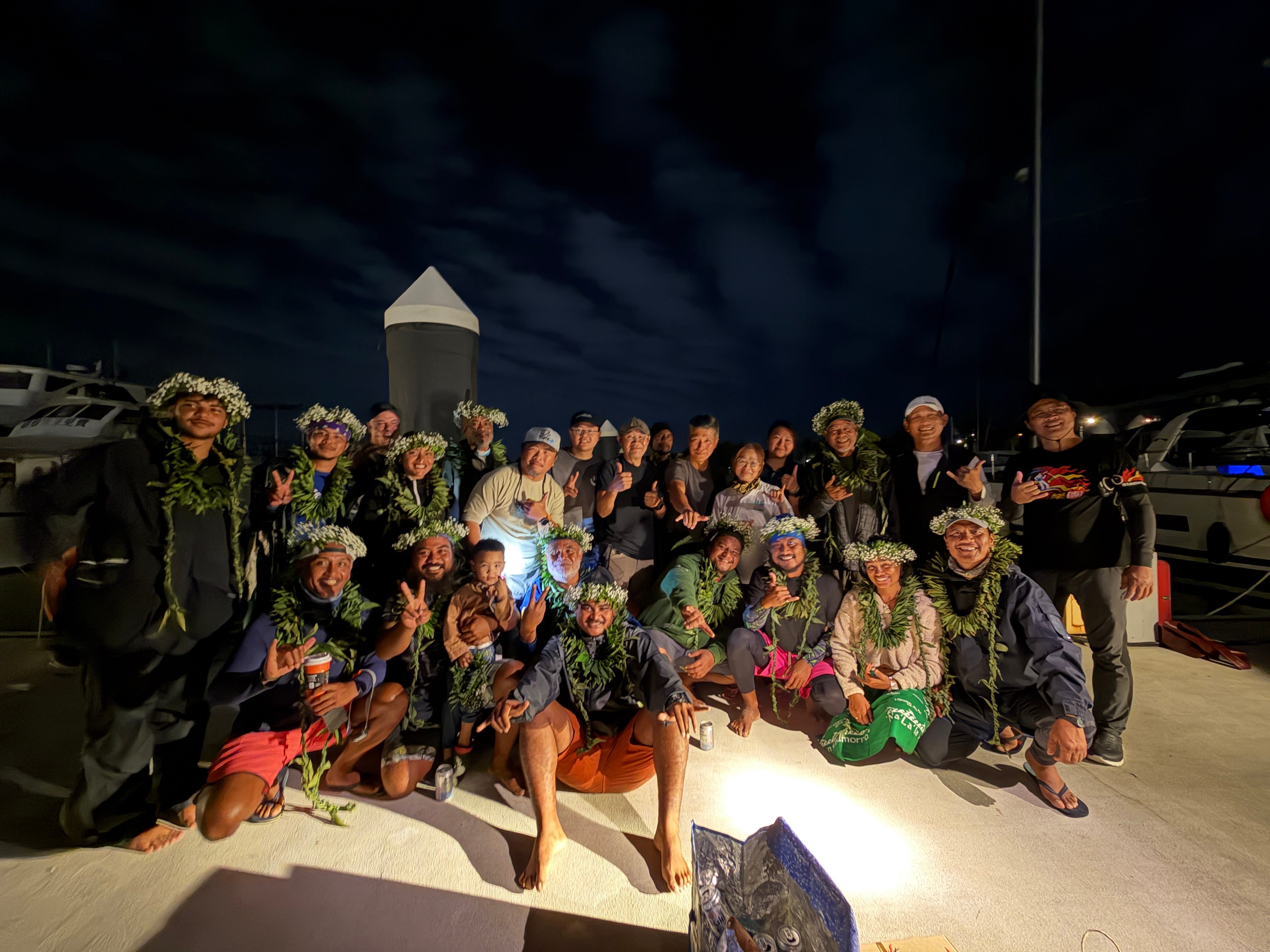
Ready to receive the crew in Kaohsiung was Governor Lourdes Leon Guerrero, visiting Taiwan’s southern metropolis to sign a sister city agreement, hailing future cooperation in tourism, culture, education, and business exchanges. Guam and Kaohsiung have recently had burgeoning ties, with Guam sending its first ever delegation to the World Indigenous Traditional Games last year in Kaohsiung, and Guam’s annual participation in Kaohsiung’s Sunshine Island Vibe Fest, a cross-cultural festival that showcases island and Southeast Asian cultures.
According to Heidi Chang, Kaohsiung City’s director of international affairs: “Our sister-city relationship with Guam originated from tourism cooperation. It began through the Sunshine Island Vibe Fest.”
Although Taiwan is largely considered part of the East Asian cultural sphere, Kaohsiung may be thought of as the northernmost city of Southeast Asia. With a large population originally hailing from Southeast Asia, the staccato tones of Taiwanese intermingle with Tagalog and Thai in the winding alleys emanating from the city’s bustling port.
Kaohsiung is also a gateway to Taiwan’s indigenous populations, as one moves north into the hills or east along the coast. Even in the urban center it is not uncommon to see indigenous Paiwan proudly wearing their traditional woven dress, and hear the distinctive jingles of an unmarried Paiwan woman’s silver ornaments.
In Southern Taiwan, much as in Guam, Southeast Asian and indigenous Austronesian cultures mingle and fuse to produce an open and multiethnic society.
These links provide a solid basis to build stronger ties between Guam and Southern Taiwan. Much has been made about potentially expanded transport links between Taiwan and Guam, including a new cruise line and potentially a direct flight from Kaohsiung, but efforts must be made not only to attract Taiwanese to visit Guam, but to get them to know Guam distinctively and build deep connections between the two islands. A direct flight on Taiwan’s national China Airlines may make be more convenient, but United’s existing direct link from Taiwan’s largest airport in Taoyuan has run half empty for the past year.
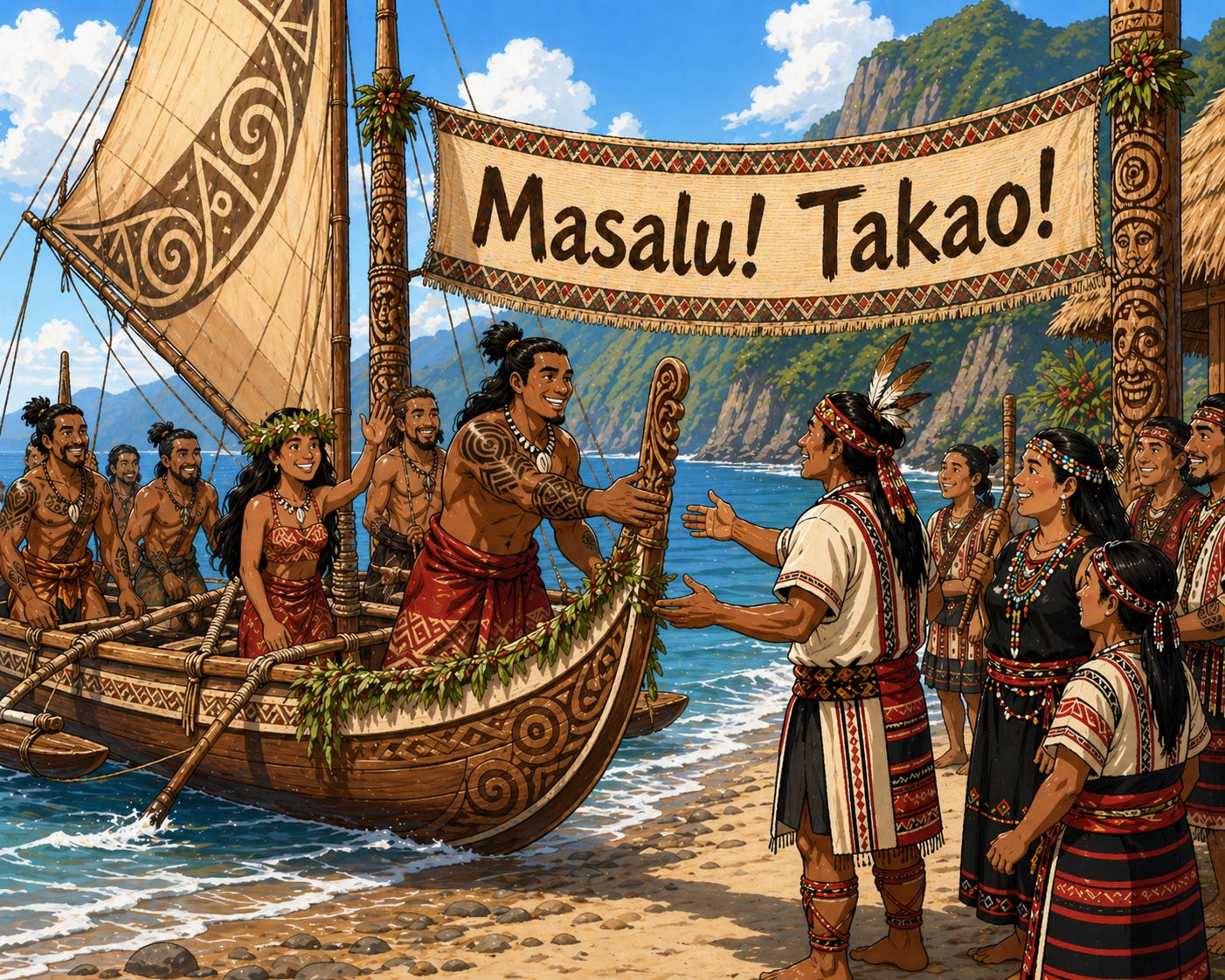
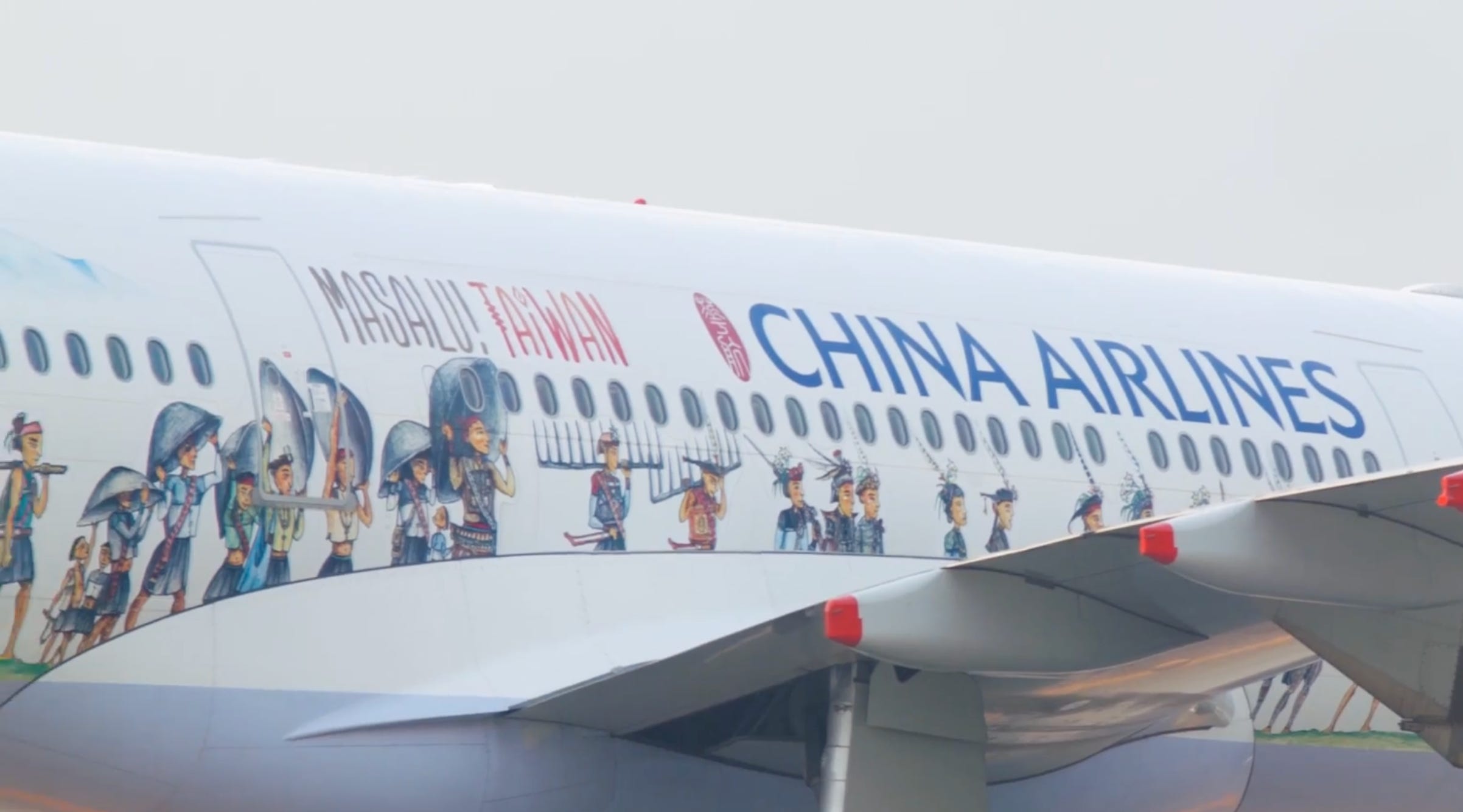
If China Airlines opens the flight, it is a great opportunity to bring back its indigenous themed livery, “Masalu! Taiwan,” an important step towards the Taiwanization of China Airlines. Whereas China Airlines once had ambitious marketing campaigns aimed at promoting Taiwan’s identity and cultures, it now focuses on foreign gimmicks such as Pokemon.
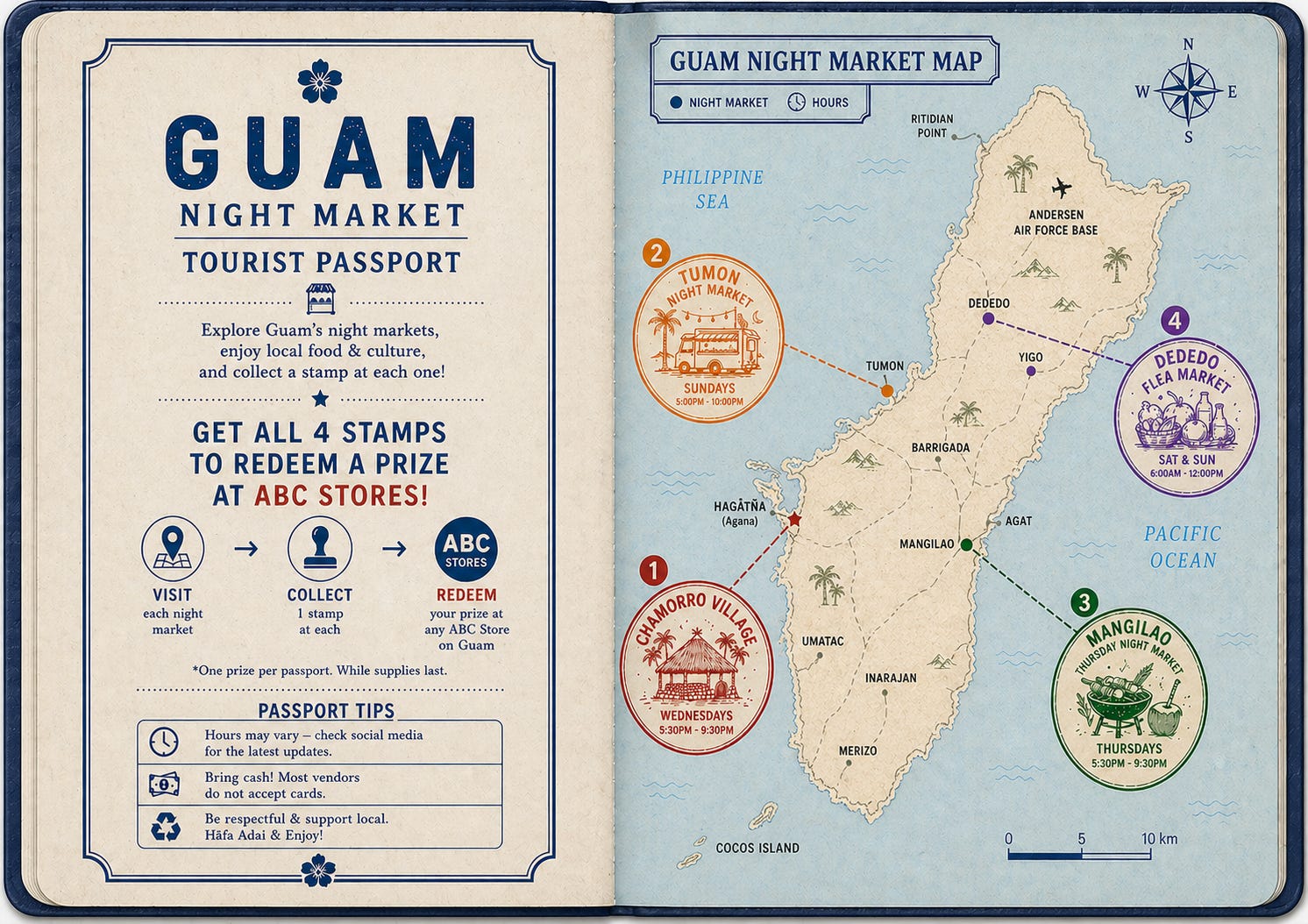
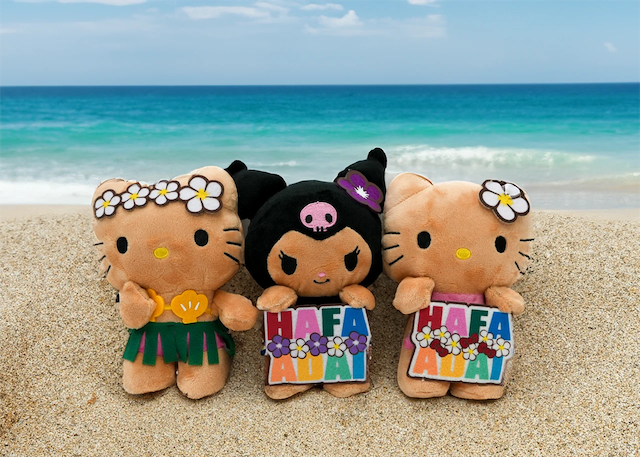
How then can Guam appeal to the Southern Taiwanese traveler? Let’s start with two things they almost universally love: festivals and night markets. Guam should market traditional and new festivals to Taiwanese travelers, providing information in Mandarin Chinese and improving accessibility for foreign travelers. The Tumon Sunday night market has been successfully developed into a tourist attraction, but the tourism bureau should work to market and expand access to the smaller village night markets, and create a “night market passport” itinerary that appeals to Taiwanese travelers. Tourists can use a “night market passport” to get unique stamps at each night market after making a purchase, and a fully stamped passport could be redeemed for a special prize, such as the Guam-exclusive tanned Hello Kitty dolls that are in hot demand in Taiwan!
Director Chang thinks tourism might be the first step to higher levels of cooperation, “Looking ahead, potential areas of cooperation under discussion include education exchanges and student exchange programs… we also see opportunities for future collaboration in smart healthcare.”
The shared rediscovery of indigenous traditions is also ripe for exchanges between Taiwan and Guam. Through events and festivals organized around common disappearing cultural traditions such as seafaring, tattooing, sports, or cuisines, Guam can appeal to indigenous youth from Southern Taiwan as a destination for shared rediscovery. Cultural revival in the region will depend on these cross-border collaborations; already, traditional comb tattooing has been restored to Taiwan by indigenous artist Cudjuy Patjidres, who relearnt the tradition in New Zealand from a native Hawai’ian artist. There is no reason Guam cannot also position itself in the center of these important exchanges.
The sister city agreement may be new, but in reality, the islands have been brothers for millennia. As the brave young seafarers of the Alingano Maisu have shown us, direct air travel isn’t required to connect the peoples of these islands. All that is required is determination, pride in one’s culture, and a desire to find the familiar in the unknown.